
How to Choose the Right Hydraulic Hose & Fittings for Heavy Equipment on the Fraser Coast
Heavy equipment is built to work hard, but its reliability depends on the strength and quality of its hydraulic hoses and fittings. When a hose fails, it can stop an entire job site, cause costly downtime, and even create safety hazards. Choosing the right components is not only about performance but also about preventing unnecessary wear and keeping your machinery working safely for years to come.
At Ryco 24/7 Fraser Coast, we help local operators, fleet owners, and contractors choose hydraulic components that match their real working conditions. Here is what to consider before selecting your next hose or fitting.
Understand Your Equipment and How It Operates
Every piece of equipment performs under different pressures, temperatures, and loads. The proper hydraulic hose depends on these factors. Machines like excavators, loaders, and farm equipment work under high pressure and constant movement. They require hoses that can withstand bending, vibration, and heavy load cycles.
If your machinery operates near the coast, corrosion protection becomes equally important. Salt exposure can damage fittings and degrade hoses over time. For mobile or off-road equipment, flexibility and abrasion resistance are key. By understanding your machine’s environment, you can choose a hose and fitting combination that lasts longer and performs reliably under stress.
What Defines a Good Hydraulic Hose
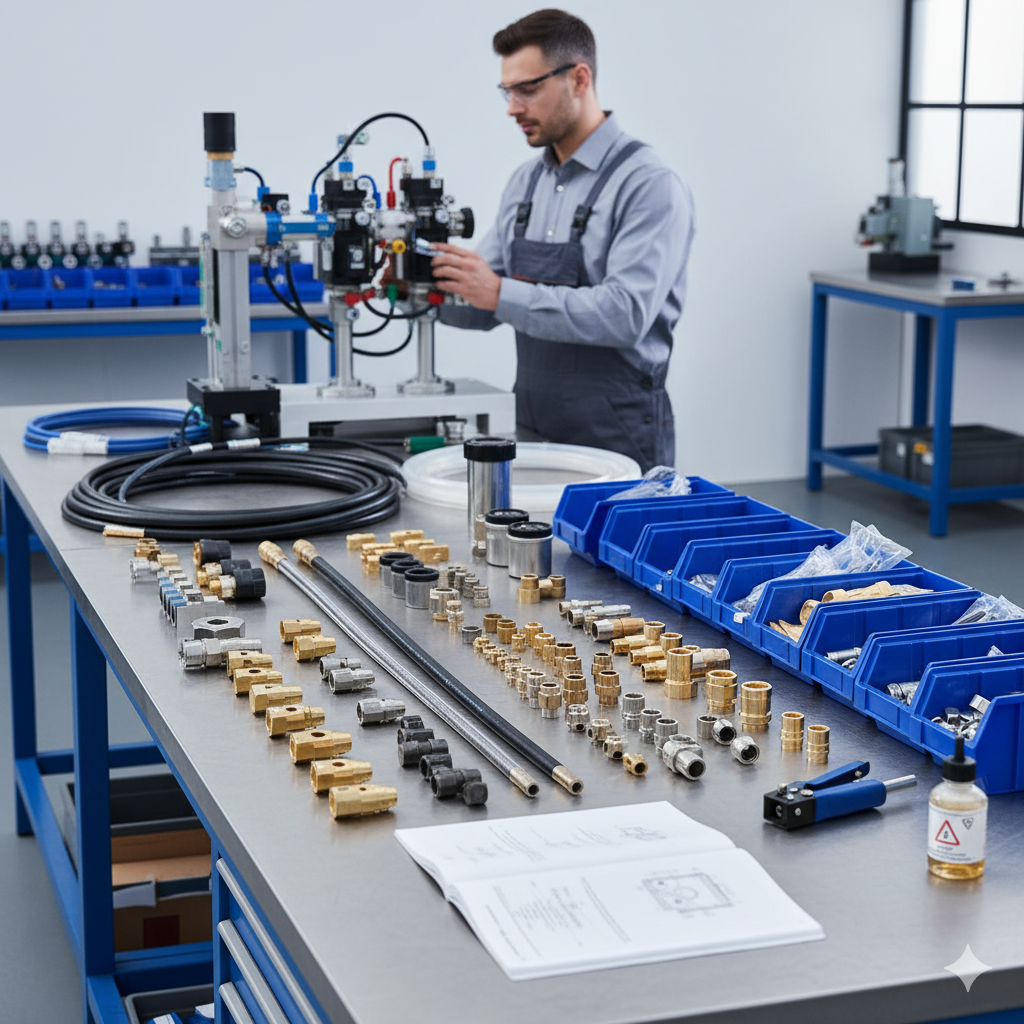
A high-quality hydraulic hose balances pressure capacity, flexibility, and durability. For most heavy-duty equipment, multi-layer wire-braided or spiral-reinforced hoses offer the best strength and reliability. The inner tube must also be compatible with the hydraulic fluid you use, as the wrong material can soften or degrade when exposed to heat and oil.
The outer layer of the hose protects it from physical and environmental damage. On the Fraser Coast, exposure to dust, sun, and humidity is constant, so UV and abrasion resistance are crucial. Investing in a hose with a durable outer cover can prevent early wear and reduce replacement costs.
Choosing the Right Fittings
Even the strongest hose can fail if the fittings are not correctly matched. Fittings connect the hydraulic line to other components, and they must be selected with precision. Stainless steel or coated steel fittings are best for coastal conditions because they resist corrosion and maintain strength in humid environments.
Thread type and sealing method also matter. Using the wrong thread can cause leaks or pressure loss that compromise the entire system. At Ryco 24/7 Fraser Coast, every fitting we install is properly crimped, torque-checked, and tested before use. This ensures a secure, leak-free connection that can handle both static and dynamic loads.
How Local Conditions Affect Hose Performance
The Fraser Coast presents unique challenges for hydraulic systems. Salt air can corrode fittings, while temperature swings and constant exposure to dirt and moisture wear hoses down faster than usual. Agricultural and construction equipment often faces high vibration and physical impact, which can loosen fittings or fatigue the hose structure.
For these reasons, choosing a hose and fitting combination designed for local conditions is vital. Hoses with reinforced covers, corrosion-resistant fittings, and UV protection provide far better performance in the long run. Ryco 24/7 Fraser Coast carries products specifically suited for this region, ensuring quick replacements and reliable availability when you need them most.
How Ryco 24/7 Fraser Coast Ensures the Perfect Fit
Our process begins by understanding how you use your equipment. We consider your pressure requirements, fluid type, working temperatures, and site conditions before recommending a hose. Each assembly is built using high-quality Ryco components, then crimped and tested by trained technicians to meet safety and performance standards.
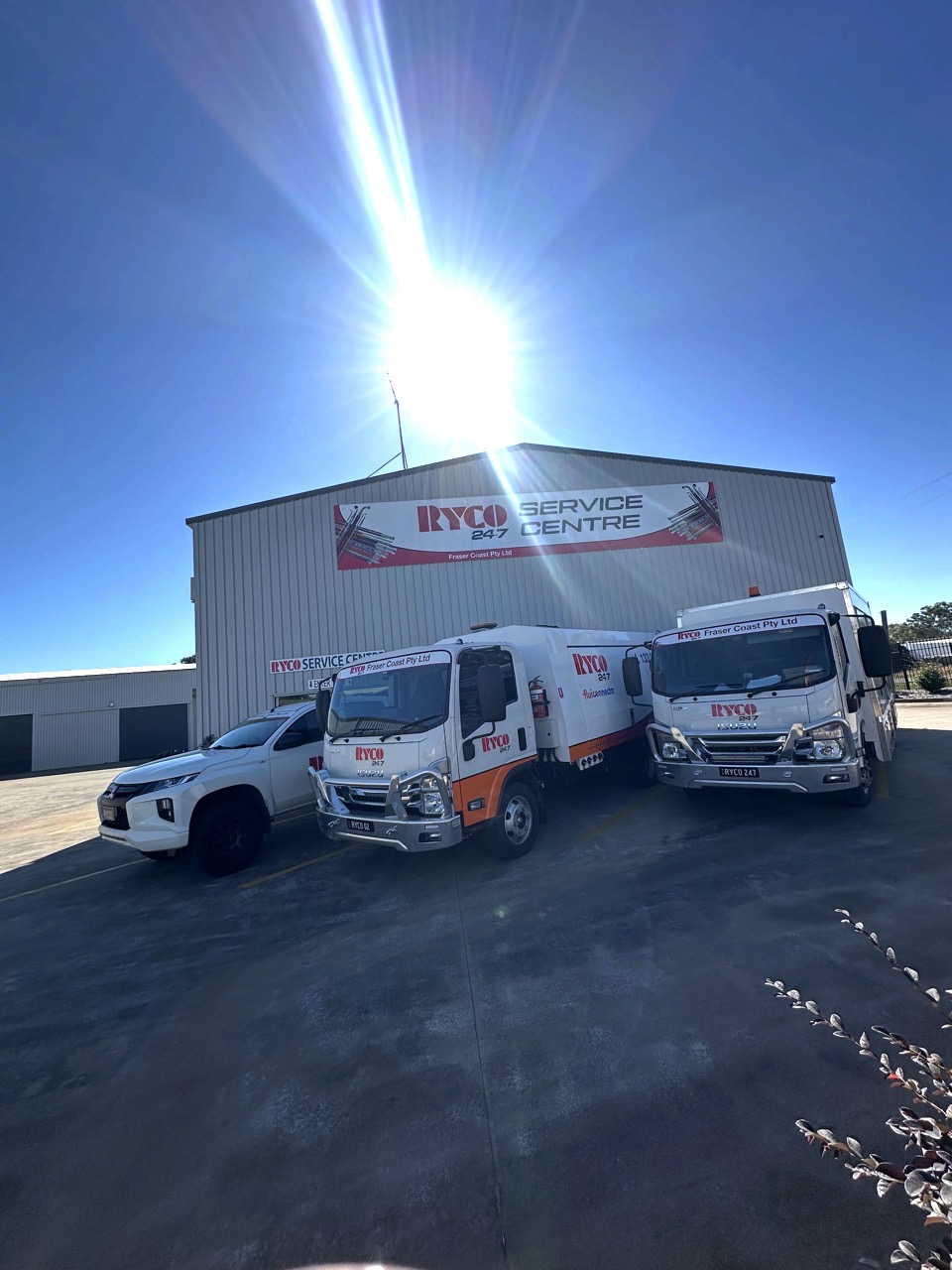
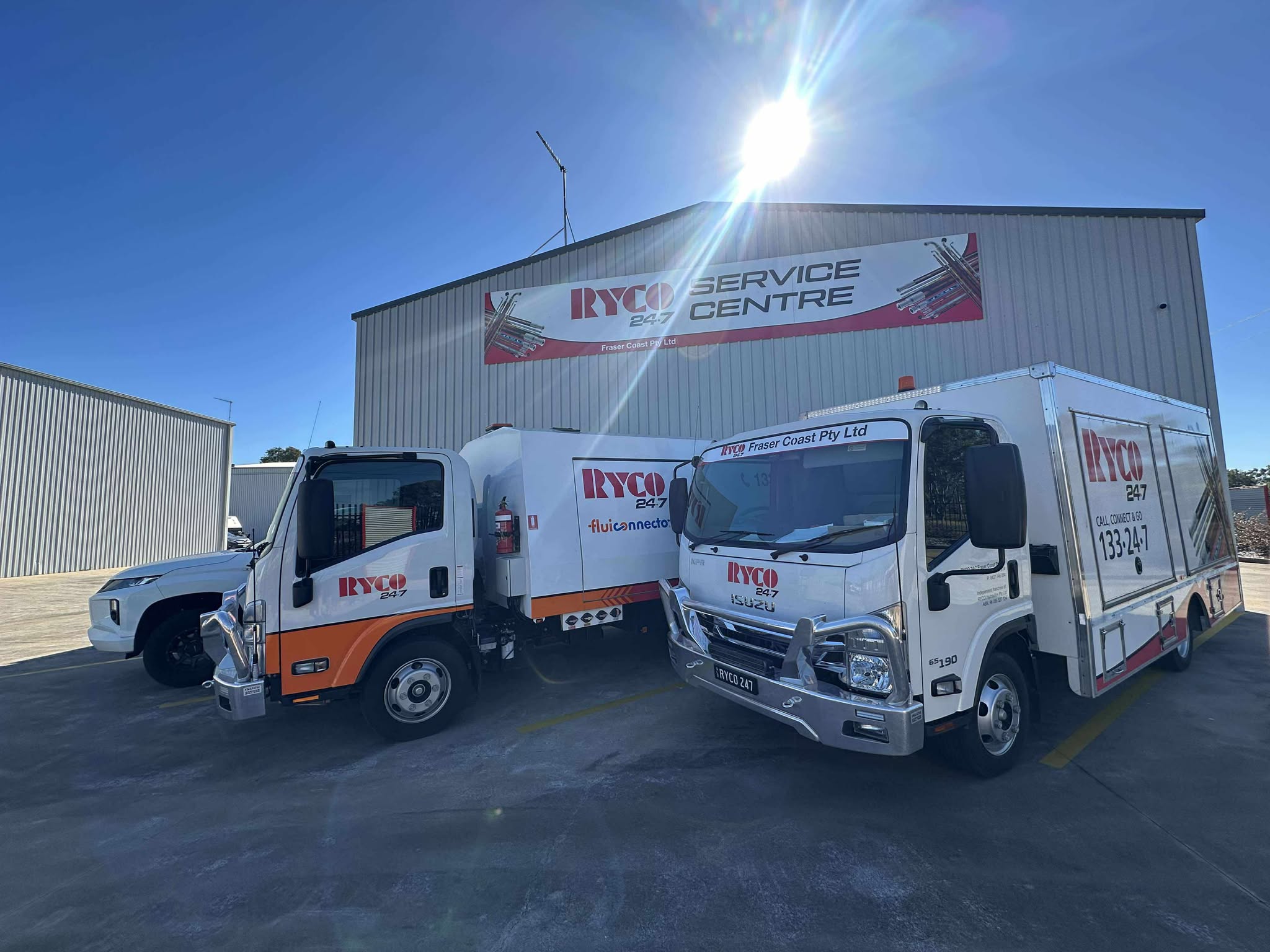
We also offer on-site service through our mobile repair units. Our team can replace damaged hoses directly on your job site, inspect existing assemblies, and advise on preventative maintenance to reduce future downtime. Whether you come to our workshop or call us on-site, you get the same attention to detail and quality workmanship every time.
When to Replace or Upgrade Your Hydraulic Hose
Hydraulic hoses wear gradually, and most failures start with minor warning signs. Stiffness, cracks, leaks, or soft spots near fittings all indicate that a hose is nearing the end of its service life. Regular inspection is essential, especially for equipment that runs daily.
If you’re replacing hoses often, it may be worth upgrading to higher-rated hoses or improved fittings. Investing in premium assemblies saves time and money in the long term, especially for machines exposed to high loads or harsh conditions.
Keeping Your Machinery Working Harder, for Longer
Choosing the proper hydraulic hose and fittings is about ensuring safety, efficiency, and uptime. It’s not just a mechanical choice; it’s a business decision that affects your productivity every single day.
At Ryco 24/7 Fraser Coast, we understand the demands of local industries and the importance of durable hydraulic systems. Whether you operate one machine or a large fleet, we can help you find the perfect hose and fitting setup to handle your workload and conditions.
Contact Ryco 24/7 Fraser Coast today for expert advice, professional fitting, or mobile on-site service anywhere across the region. Keep your equipment strong, safe, and ready for the next job.